






















About the Journal

Decision Science and Intelligent Systems is an interdisciplinary scientific journal dedicated to advancing quantitative, analytical, data-driven, and intelligent approaches to decision-making. The journal publishes original research, review, methodological, and applied studies in decision science, operations research and management science, data envelopment analysis, artificial intelligence, information and decision support systems, optimization, mathematical modeling, and related quantitative methods.

The journal particularly encourages research that applies these approaches to management, entrepreneurship and innovation, industry, planning and budgeting, finance and economics, public-sector decision-making, and public policy.

In the 2025 (1404) evaluation conducted by the Ministry of Science, Research and Technology of Iran, the journal received Grade A.


Our Mission

Our mission is to provide an international platform for rigorous and innovative research that advances scientific, evidence-based, and data-driven decision-making. The journal seeks to bridge methodological developments and real-world decision problems by promoting the use of quantitative, computational, analytical, and intelligent approaches.

Particular emphasis is placed on research that supports managers, planners, policymakers, organizational decision-makers, and industry professionals in addressing complex problems involving resource allocation, planning, budgeting, performance evaluation, optimization, and policy analysis.

The journal also aims to foster interdisciplinary research integrating operations research, artificial intelligence, information systems, data analytics, optimization, and decision-support methodologies.


Scope of Coverage

Studies submitted to the journal should make a substantive contribution to decision-making through quantitative, analytical, computational, data-driven, optimization-based, or intelligent methods. Studies in management, entrepreneurship and innovation, public policy, planning and budgeting, finance, sustainability, and other application domains are particularly welcome when they employ rigorous decision-support methodologies consistent with the journal's scientific scope.

Focus on Strategic Challenges: In addition to methodological advances in quantitative and intelligent decision-making, the journal particularly encourages studies addressing major strategic and policy challenges. Priority areas include energy imbalances and energy systems, public budgeting and fiscal reform, pension system sustainability, banking and financial system reform, social challenges, water and environmental management, employment and labor markets, logistics and transportation, and urban management and urban development. Priority is given to studies employing rigorous quantitative, analytical, data-driven, optimization-based, simulation-based, artificial intelligence, or decision-support approaches.

Comparative and international studies, as well as research addressing similar challenges in other countries and economies, are also within the scope of the journal.

The topics accepted by the journal include, but are not limited to, the following areas:


  1. Decision Science, Decision Analysis, and Decision Support Systems
  2. Operations Research, Management Science, and Mathematical Programming
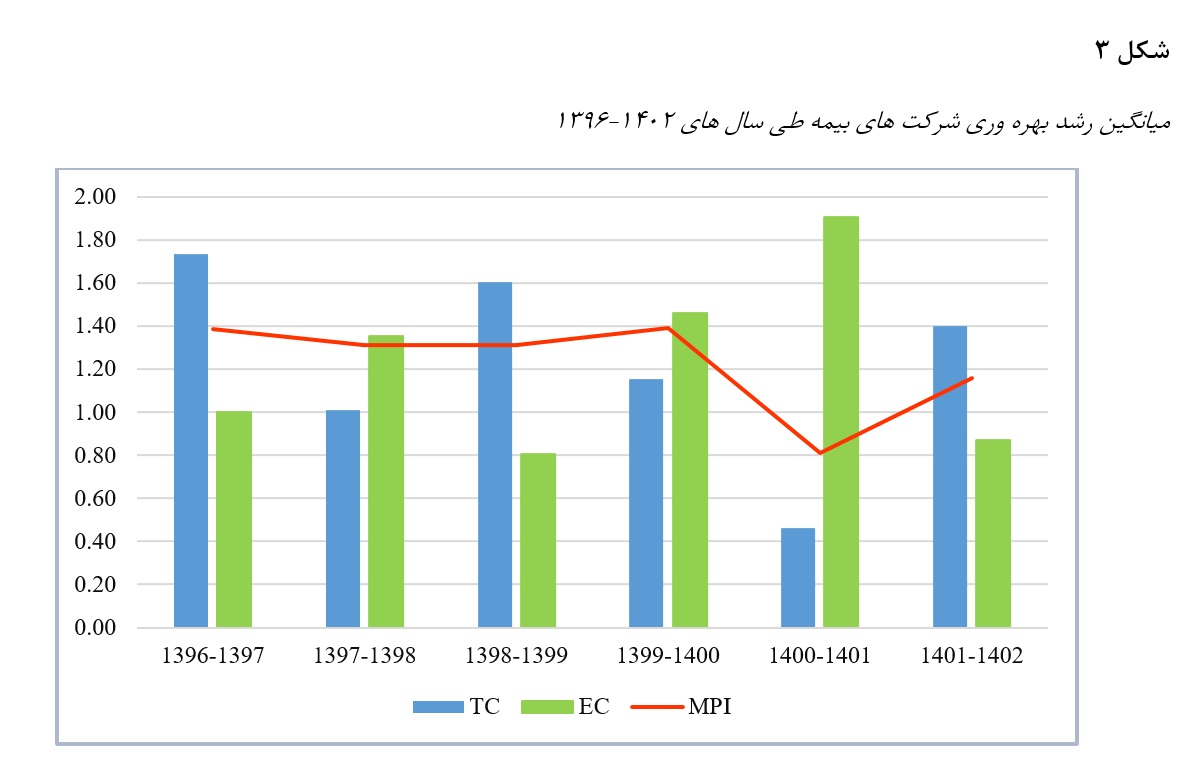
  3. Data Envelopment Analysis, Composite Indicators, Productivity, Efficiency, Performance Evaluation, Ranking, and Effectiveness Measurement
  4. Single- and Multi-Objective Optimization, Robust Optimization, Stochastic Optimization, Fuzzy Optimization, and Decision-Making under Uncertainty
  5. Metaheuristic, Evolutionary, and Intelligent Optimization Algorithms, with applications to Scheduling, Location, Routing, and Resource Allocation
  6. Artificial Intelligence, Machine Learning, Deep Learning, Neural Networks, and Applied Intelligent Systems
  7. Information Systems, Decision Support Systems, Business Intelligence, Management Dashboards, and Data-Driven Decision-Making
  8. Data Science, Data Mining, Text Mining, Web Mining, Big Data Analytics, Predictive Analytics, and Prescriptive Analytics
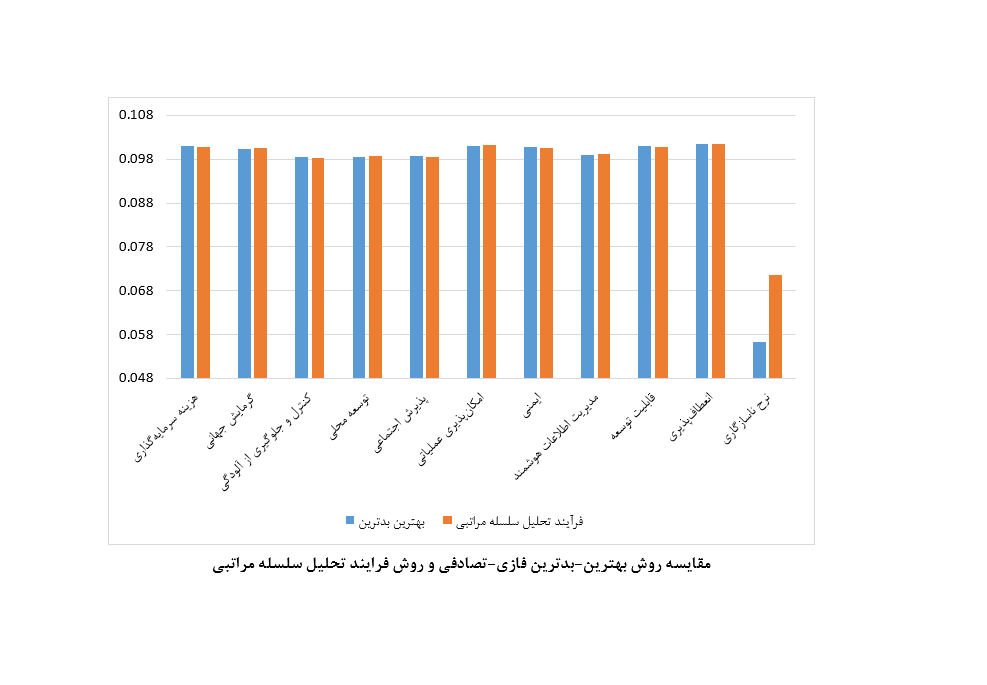
  9. Multi-Criteria Decision-Making, Group Decision-Making, Fuzzy and Grey Decision-Making, and Decision-Making under Uncertainty
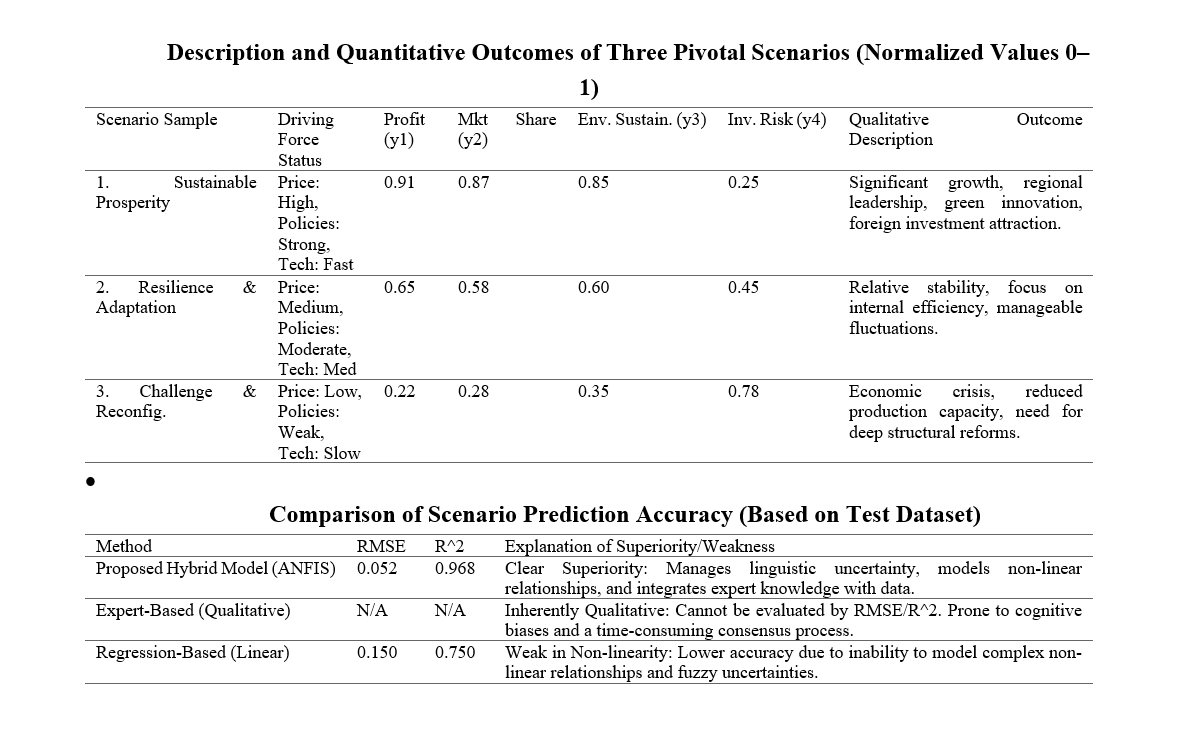
  10. Mathematical Modeling, Simulation, Scenario Analysis, and Quantitative Foresight
  11. Planning, Budgeting, Resource Allocation, Budget Optimization, and Budget Performance Evaluation
  12. Public-Sector Planning and Budgeting, Public Expenditure Efficiency, Quantitative Policy Analysis, Policy Prioritization, Policy Evaluation, and Decision Support for Public Policy
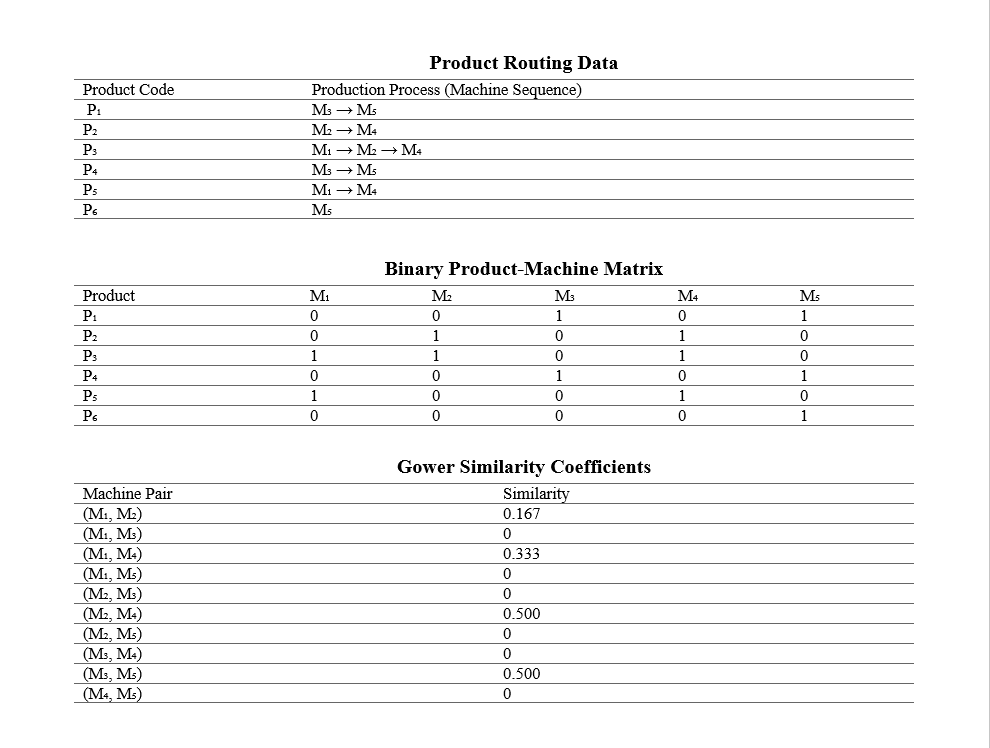
  13. Operations Management and Industrial Systems, including Production Planning, Inventory Management, Quality Management, Maintenance, Reliability, and Process Improvement
  14. Supply Chain Management, Logistics, and Transportation, including Green, Sustainable, Intelligent, Resilient, and Closed-Loop Supply Chains
  15. Digital Transformation and Emerging Technologies, including Industry 4.0 and 5.0, the Internet of Things, Blockchain, Digital Twins, and related intelligent technologies
  16.  Entrepreneurship, Innovation, and Digital Business, including entrepreneurial decision-making, startup evaluation, innovation management, business model analytics, entrepreneurial ecosystems, technology commercialization, and data-driven and AI-assisted entrepreneurship
  17. Quantitative, Data-Driven, Intelligent, and Decision-Support Applications in Strategic and Applied Domains, including energy and energy imbalances, public budgeting and fiscal systems, pension systems, banking and financial systems, social challenges, water and environmental management, employment and labor markets, logistics and transportation, urban management and urban development, healthcare, education, agriculture, industry, and the public sector.

Audience

he journal serves researchers, academics, operations research and decision science professionals, data scientists, artificial intelligence and information systems specialists, industrial and systems engineers, entrepreneurship and innovation researchers, industry practitioners, managers, planning and budgeting specialists, public-sector analysts, and policymakers interested in quantitative and intelligent approaches to decision-making.

Review and Peer-Review Process

To ensure the quality, originality, and scientific integrity of all published articles, the journal follows a rigorous review and peer-review process. Each submitted manuscript is evaluated by experts in the relevant field. The Editorial Board consists of distinguished scholars and leading industry professionals who provide guidance and support in line with the journal’s aims and scope.

The journal welcomes submissions from researchers worldwide and invites scholars to publish their work in the fields of decision science and intelligent systems.

Current Issue

Vol. 3 No. 2 (1405)
Published: 2026-09-16

Articles

View All Issues